
A Beginner’s Guide to Using Intermittent Catheters at Home
Key Takeaways
- Hygiene First: The most critical step in preventing infection is thorough hand washing and cleaning the insertion site every single time.
- Consistency is Key: Follow the schedule provided by your doctor—most users need to catheterize every 4 to 6 hours to prevent the bladder from overfilling.
- No Force Required: Never force a catheter. If you feel resistance, take a deep breath to relax your muscles before trying again gently.
- Proper Lubrication: Using water-soluble urinary catheter supplies like lubricating jelly (never Vaseline) is essential for a comfortable and safe experience.
Starting a self-catheterization routine can feel intimidating, but with the right guidance, it quickly becomes a simple part of your daily health regimen. Using an intermittent catheter is a safe and effective way to manage bladder health and maintain an active lifestyle from the comfort of your home.
This beginner’s guide covers the essential steps, from preparation to hygiene, to help you feel confident and secure.
Step 1: Gather Your Supplies
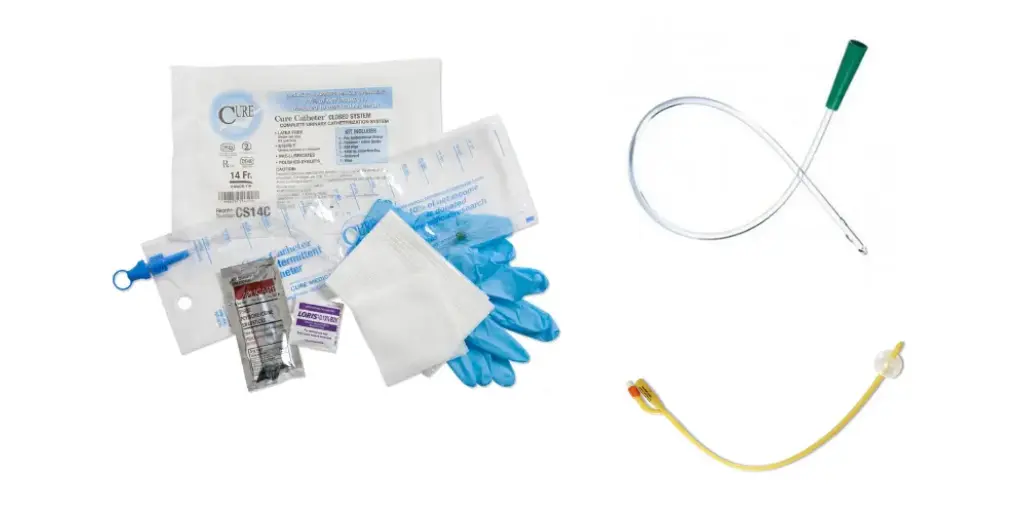
Before you begin, set up a clean workspace and ensure you have all your urinary catheter supplies ready. You will typically need:
- A new, sterile intermittent catheter.
- Water-soluble lubricating jelly (unless using a pre-lubricated or hydrophilic male catheter).
- Mild, unscented soap and warm water, or specialized antiseptic wipes.
- A container to collect urine if you are not performing the procedure over a toilet.
Step 2: Preparation and Hygiene
Cleanliness is the best way to prevent a Urinary Tract Infection (UTI).
- Wash Your Hands: Scrub with soap and water for at least 20 seconds.
- Prepare the Catheter: If your catheter requires manual lubrication, apply a generous amount of jelly to the tip and the first 2–6 inches of the tube.
- Clean the Area: For a catheter for men, gently wash the tip of the penis in a circular motion, moving from the opening outward. If uncircumcised, be sure to retract the foreskin to clean thoroughly.
Step 3: Insertion and Drainage
Whether you are sitting on the toilet, standing, or in a wheelchair, find a position that is comfortable for you.
- Insertion: Hold your penis at a 90-degree angle to your body. Gently insert the catheter into the urethra. You may feel a slight “push back” when you reach the prostate or the bladder sphincter; simply take a deep breath, cough, or try to “bear down” as if to urinate to help the muscle relax.
- Drainage: Once urine begins to flow, stop and hold the catheter in place. When the flow stops, gently insert it another half-inch to ensure the bladder is completely empty.
- Removal: Slowly withdraw the catheter. If urine starts flowing again, stop and wait until it finishes before continuing. This “stop-and-start” method ensures no stagnant urine is left behind, which reduces infection risk.
Step 4: Developing a Routine
Adhering to a regular schedule for how often should a catheter be changed and used is vital.
- Intermittent Use: Most disposable catheters for men are designed for one-time use. Always discard the catheter immediately after use—never try to wash and reuse a single-use device.
- Fluid Management: Drink plenty of water throughout the day to help flush out bacteria, but try to manage your intake in the evening to reduce the need for nighttime catheterization.
Coverage and Support
Navigating the cost of supplies shouldn’t be a barrier to your health. Urinary catheters covered by Medicare and private insurance are readily available through specialized providers.
- Medicare Part B generally covers up to 200 disposable catheters for men per month, ensuring you have a fresh, sterile device for every use.
- Whether you prefer a Bard catheter, Coloplast catheters, or a specific straight catheter, our team can help you verify your benefits.
Ready to Start?
Are you new to self-catheterization and feeling unsure about which products are right for you? Reach out today to speak with our urology specialists. We can provide samples and help you find the most comfortable catheter for your home routine.
If you experience regular resistance during insertion, it may be helpful to understand the differences between straight vs. coudé tip catheters to ensure you are using the right tip shape for your anatomy
FAQs: Catheters at Home
Q1: How often should a catheter be changed and used?
A: Follow your doctor’s schedule (usually every 4–6 hours). Discard catheters after a single use; never wash or reuse them.
Q2: What if I feel resistance during insertion?
A: Do not force it. Take a deep breath, cough, or “bear down” to relax the prostate or bladder sphincter muscles.
Q3: What supplies are needed for home use?
A: A new sterile catheter, water-soluble jelly, mild soap/water (or wipes), and a urine collection container if not using a toilet
Q4: How do I ensure my bladder is fully empty?
A: Once flow stops, insert the catheter another half-inch. During removal, withdraw slowly and stop if urine starts flowing again.
Q4: Does insurance pay for these supplies?
A: Yes. Urinary catheters covered by Medicare and private insurance are available, typically providing up to 200 per month.