
How HMEs (Heat and Moisture Exchangers) Help Trach Patients Breathe Better
When a patient receives a tracheostomy, the air they breathe bypasses the nose and mouth—the body’s natural filters and humidifiers. This can lead to cold, dry air entering the lungs, causing thick mucus and irritation. A Heat and Moisture Exchanger (HME) acts as an “artificial nose” to restore this vital balance.
Below is a guide on how hme trach devices improve respiratory health and comfort for patients at home.
Key Takeaways
- The Artificial Nose: An HME captures heat and humidity from your exhaled breath and returns it to your lungs when you inhale.
- Secretions Management: By keeping the airway moist, an hme tracheostomy helps thin mucus, making it much easier to cough out or suction.
- Lung Protection: Using an HME helps prevent the “tracheal plugging” that occurs when dry air hardens secretions inside the trach tube.
- Portable Comfort: Unlike heavy bedside humidifiers, an HME is lightweight and allows for easy mobility during the day.
How Does an HME Trach Work?
The hme trach is a small, filtered device that snaps directly onto the 15mm connector of your tracheostomy tube. Inside the plastic housing is a specially treated foam or paper core.
- Exhalation: As you breathe out, the warm, moist air from your lungs passes through the HME. The core captures and stores that heat and moisture.
- Inhalation: When you take your next breath, the dry room air passes through the HME. It picks up the stored warmth and humidity before it reaches your windpipe.
This constant recycling of your own body heat ensures that your lungs stay at a healthy “climate,” reducing the urge to cough and preventing the feeling of a raw, irritated throat.
Caring for Your HME Tracheostomy Device
To ensure your hme tracheostomy device works effectively, proper maintenance is essential. Because these devices trap moisture, they can eventually become heavy or clogged.
- Replace Daily: Most HMEs are single-use devices. You should replace your HME at least every 24 hours to prevent bacteria buildup and ensure optimal airflow.
- Monitor for Clogs: If you have a productive cough, secretions can get stuck in the HME. If it becomes soiled or you feel resistance when breathing, throw it away immediately and replace it with a fresh one.
- No Cleaning: You cannot wash or “rinse out” an HME. Water will damage the hygroscopic (moisture-binding) material inside, making it impossible to breathe through.
- Oxygen Compatibility: Many HME models come with a small port that allows you to connect supplemental oxygen while still benefiting from the humidification.
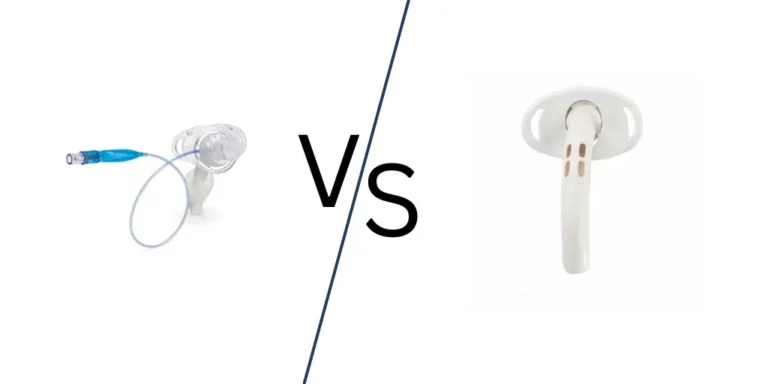
To learn more about different types of trach tubes and how they affect your breathing, check out our guide on cuffed vs. uncuffed tracheostomy tube
Qualifying for Supplies Through Insurance
Because humidification is considered a medical necessity for tracheostomy care, HMEs are typically covered by insurance.
- Medicare and HMEs: Medicare Part B usually covers these supplies when they are prescribed by a doctor as part of your daily trach care routine.
- Documentation: Your medical records should note that you are breathing spontaneously and require a passive humidifier to maintain clear secretions.
Whether you use a standard T-style HME or a multifunctional version with a speaking valve, working with a specialized supplier ensures you always have the sterile filters you need.
HME Trach Filter FAQ
Q1: How does an hme trach device work?
A: The device snaps onto your tracheostomy tube. As you breathe out, the core captures heat and moisture from your lungs; when you breathe in, the room air picks up that stored warmth and humidity before reaching your windpipe
Q2: Can I clean and reuse my HME?
A: No. You cannot wash or rinse out an HME because water damages the moisture-binding material inside. They are single-use devices that must be replaced at least every 24 hours.
Q3: What should I do if my HME gets clogged with mucus?
A: If you cough up secretions that get stuck in the HME or if you feel resistance while breathing, throw it away immediately and replace it with a fresh one.
Q4: Can I use an HME if I require supplemental oxygen?
A: Yes, many hme trach models feature a small port that allows you to connect supplemental oxygen while still receiving humidification.
Q5: Does Medicare cover hme tracheostomy supplies?
A: Yes. Medicare Part B usually covers these supplies when prescribed by a doctor as part of your daily trach care routine to help maintain clear secretions.