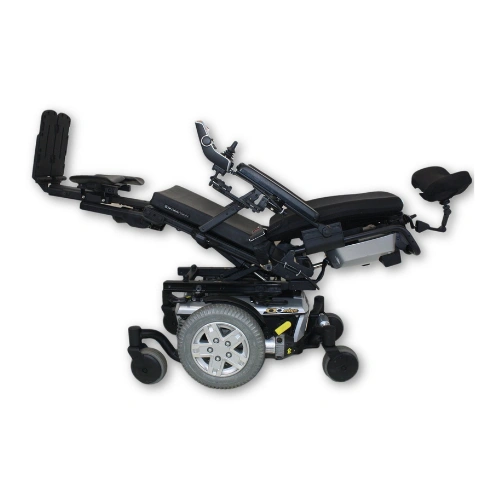
Electric Wheelchair Maintenance: 5 Simple Tips
Investing in an electric wheel chair is a significant step toward improving your daily mobility and quality of life. Whether you rely on a lightweight folding electric wheelchair for travel or a more robust model for full-time use, a proactive maintenance routine is the best way to ensure your device remains safe and operational.
Neglecting regular upkeep can lead to unexpected breakdowns and increase the overall electric wheel chair cost due to avoidable part replacements. By following a few simple steps, you can keep your chair running smoothly for years to come.

Key Takeaways
- Battery Discipline: To maximize your electric wheelchair’s battery health, make it a habit to plug it in every night. Try to stay above the 20% mark.
- Tire Safety: Check your tire pressure and tread weekly. Proper inflation is especially vital for the best portable electric wheel chair for a big man to ensure stability.
- Moisture Protection: Always keep the electronics dry. If your electric wheel chair gets wet, dry it immediately to prevent short circuits.
- Professional Support: Work with medicare approved electric wheelchair providers for your annual service to ensure your chair remains compliant with safety standards.
A) Optimize Your Battery Life
The battery is the most critical component of all electric wheelchairs. To get the most out of it, establish a “charge-after-use” habit. Even if you only used your chair for a short trip, plugging it in overnight ensures the cells remain active.
If you plan to store your chair for more than two weeks, fully charge the battery first and then disconnect it. This prevents the small “phantom” power draws from the controller from completely draining the battery, which can be a costly issue given the typical electric wheel chair price.
B) Tire and Caster Inspection
Tires facilitate smooth movement and shock absorption. For pneumatic (air-filled) tires, check the PSI (pressure) once a week. Under-inflated tires make the motor work harder, which drains your battery faster and causes premature wear on the motor brushes.
If your chair uses solid, puncture-proof tires, inspect them for flat spots or cracks. Ensure the front casters are free of hair, carpet fibers, or debris, as these can wrap around the axles and cause the chair to pull to one side.
C) Protect Sensitive Electronics
The joystick and control module are the “brain” of your electric wheel chair. While many modern designs are water-resistant, they are not waterproof. If you are caught in the rain, consider using a specialized joystick cover.
When cleaning, never spray water or liquid cleaners directly onto the controls. Instead, use a slightly damp microfiber cloth. This is particularly important for an electric wheelchair with elevating seat, as the extra wiring and lifting actuators are highly sensitive to moisture and dust buildup.
D) Hardware and Frame Check
The vibrations from traveling over sidewalks and uneven terrain can loosen the nuts and bolts over time. Once a month, perform a “bolt-check” on the armrests, footplates, and seat assembly. If you notice any clicking or rattling sounds while moving, it is often a sign of a loose fastener.
E) Scheduled Professional Servicing
While daily care is up to you, some tasks require a specialist. A technician can perform deep-system diagnostics on the motor, check the electromagnetic brakes, and ensure the wiring harnesses are secure.
“If you’re ready to explore your options, you can browse our full range of medicare approved power wheelchairs to find a model that fits your home and lifestyle needs.”
Navigating Insurance and Replacement
A common question for new users is, “does medicare cover electric chairs?” or “does medicaid pay for electric wheelchairs?” Generally, if a physician determines that a manual chair is insufficient for your needs inside the home, you may qualify for a medicare approved electric wheelchair.
When looking for electric wheelchairs near me, it is essential to partner with medicare approved electric wheelchair providers. These professionals ensure that you receive electric wheelchairs covered by medicare that meet specific clinical requirements. They can also provide a clear breakdown of the electric wheel chair price and any potential out-of-pocket costs after insurance has been applied.
See If You Qualify for Coverage Need a repair or looking to upgrade your mobility? Reach out today to speak with one of our mobility specialists for a free coverage consultation.
FAQ: Electric Wheelchair Maintenance
Q1: How often should I charge my electric wheelchair battery?
A: You should establish a “charge-after-use” habit. Even if you only used your chair for a short trip, plug it in overnight. This ensures the cells remain active and prevents the power level from dropping below 20%, which is vital for preserving the battery’s total lifespan.
Q2: What should I do if I’m not using my chair for a long period?
A: If you plan to store your electric wheel chair for more than two weeks, you must fully charge the battery first and then disconnect it. This stops “phantom” power draws from the controller, which can completely drain and damage the battery while in storage.
Q3: Why is it important to check tire pressure weekly?
A: For pneumatic (air-filled) tires, maintaining the correct PSI is essential. Under-inflated tires increase friction, which forces the motor to work harder. This not only drains your battery faster but can also lead to premature wear on the motor brushes.
Q4: Can I drive my electric wheelchair in the rain?
A: While many modern joysticks are water-resistant, they are not waterproof. If you are caught in the rain, cover the joystick module immediately. If the chair gets wet, dry the electronics and the frame with a microfiber cloth right away to prevent short circuits and dust buildup in sensitive areas like lifting actuators.
Q5: Does Medicare cover the cost of a new electric wheelchair?
A: Yes, Medicare generally covers a medicare approved electric wheelchair if a physician determines a manual chair is insufficient for your mobility needs inside the home. You must work with medicare approved electric wheelchair providers to ensure the specific model meets clinical requirements.
Q6: What is a "bolt-check" and how often should I do it?
A: A bolt-check involves inspecting the hardware on your armrests, footplates, and seat assembly for any loosening caused by vibrations from uneven terrain. You should perform this check once a month. If you hear clicking or rattling while moving, it is usually a sign that a fastener needs tightening.